
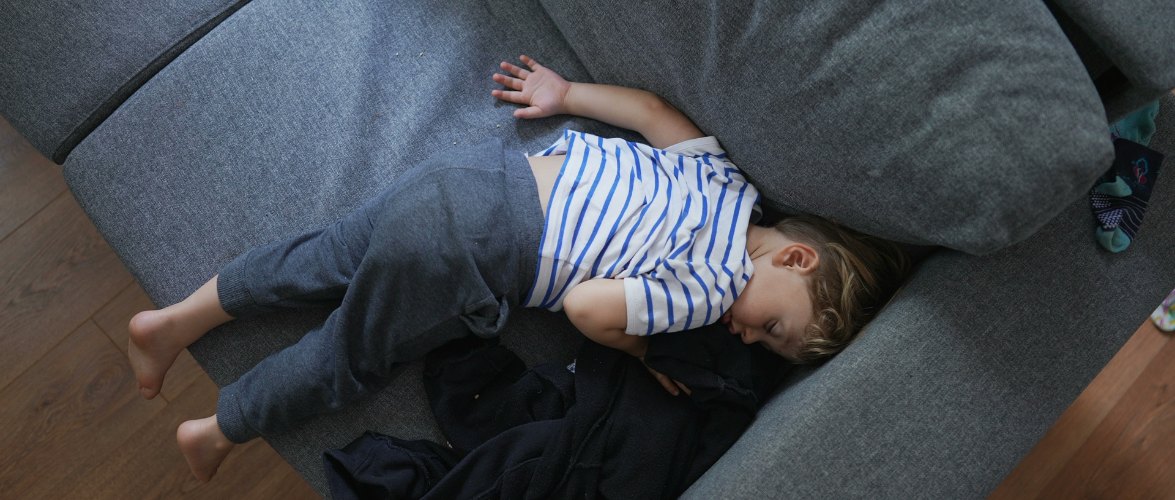

You know your child best. These are some common signs parents notice at this time of year:
Most of the time, this is ordinary end-of-year fatigue. If your child seems unwell, very low, or the tiredness carries on into the holidays, it’s worth a chat with your GP or paediatrician.
Here’s something that can take the sting out of the 4 pm standoff. A tired, stressed brain genuinely finds it harder to focus, remember and stay patient. So when your child says “I don’t get it” about work they understood last week, they may not be being difficult. Their tank may simply be low.
Shannon Mandel, BA Hons Clinical Psychology and neuroscience-informed parent coach behind the Mindsight Method, encourages parents to consider what may be happening in a child’s nervous system before focusing only on behaviour or schoolwork. She explores this in her article “The Real Reason Study Time Feels Like a Battle”. As Shannon puts it, “focus is a nervous system state, not just a mental skill.” So rather than asking a tired child to try harder, her suggestion is: “let’s get you grounded first.”
We dig into the science of this in how stress affects memory, focus and learning in children.
You don’t need a new system. A few small shifts can change the whole afternoon.
And if things do boil over, pause. A hug, a glass of water or a walk around the garden is not giving up. It’s getting your child back to a place where learning is possible again.

November can feel like one long list of things to remember. A bit of planning helps everyone breathe.
Takeaway: a full calendar is normal at this time of year. A calendar with no breathing room is what wears children down.
When everyone’s tired, it’s tempting to fill the gaps with more lessons, more revision or more screens. But children recharge through unstructured time.
Downtime can be lying on the grass, building Lego, shooting hoops, drawing or just lying on the bed staring at the ceiling. That last one counts too. Play also helps children settle after a demanding day. We explain why in our article on how play regulates a child’s nervous system.
A practical idea: build in 30 minutes of “nothing time” straight after school, before homework or activities. Many parents find the rest of the afternoon goes more smoothly.
Routines can slip in Term 4. Evenings get later, mornings get rushed, and suddenly everyone’s frayed.
You don’t need to be strict. A steady, predictable rhythm is what helps children feel settled.
Read more about why routine supports child development.
Some families also include a daily supplement as part of their morning routine during busy school terms. Our Brain Batteries Gummies are designed to support memory and concentration as part of a balanced routine, alongside good sleep, food and downtime. They’re one small part of the picture, not a fix on their own.

Here’s the honest bit. Parents are tired in November too. Work deadlines, year-end functions and holiday planning all land at the same time.
If you snap, forget a costume or let them have toast for supper, that’s okay. Children don’t need perfect parents. They need a calm-enough adult who reconnects after a hard moment.
A simple “I was grumpy earlier, I’m sorry. I was tired too” teaches children more about feelings than any lecture. For more on this, see why emotional regulation is one of the most important skills kids can learn.
Yes, it’s very common. A full year of learning, activities and early mornings adds up. If the tiredness doesn’t lift in the holidays, or your child seems unwell, speak to your GP.
Sometimes, yes. A short note to the teacher is fine now and then. If homework is a struggle every night, it’s worth a chat with the teacher about what’s realistic.
There’s no fixed rule, but 20 to 30 minutes of unstructured time before homework works well for many families.
Try a snack, water and quiet time before asking questions about their day. Many children open up later, often at bedtime.
Exams are coming up for many families. Read our guide on how to help your child feel calmer before tests and exams for practical exam-season support. You can also learn more about Brain Batteries Gummies, our daily gummy for children aged 2 to 12.
These statements have not been evaluated by the South African Health Products Regulatory Authority (SAHPRA). This product is not intended to diagnose, treat, cure, or prevent any disease. Always consult a healthcare professional before starting any new supplement regimen.
If you’ve ever witnessed your child explode in anger, melt…


Navigating Back-to-School Wellness: A Guide for Parents Ensuring your child’s…

Fueling Growing Bodies Nutritious and Exciting Recipes for Your Little…

Getting kids to eat a balanced diet can be a…

Planning a family day out? Explore 50 free and affordable…

An honest look at saffron for children: what it is,…
Tired child after school? Practical, calm ways to handle homework…
 Skip to content