Executive Summary
Prolonged stress triggers hormones like adrenaline and cortisol, overloading children’s working memory and impairing focus, information processing, and test recall. Overwhelmed children often exhibit procrastination, distraction, emotional outbursts, and mental fatigue. Rather than demanding harder work, parents can support cognitive function by establishing healthy routines. Key strategies include prioritizing consistent sleep, breaking assignments into manageable tasks, encouraging physical movement, ensuring proper nutrition, reducing performance pressure, and utilizing calming exercises. Targeted daily dietary supplements like Vie&Sante’s Brain Batteries Gummies can also complement lifestyle habits to foster memory, focus, and emotional calmness.
Why Emotional Regulation Is One of the Most Important Skills Kids Can Learn
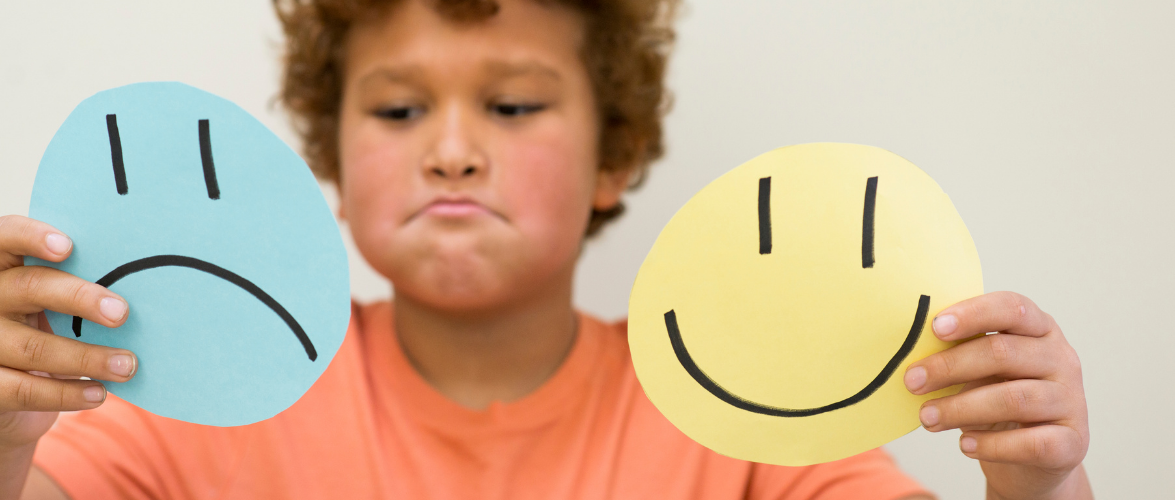
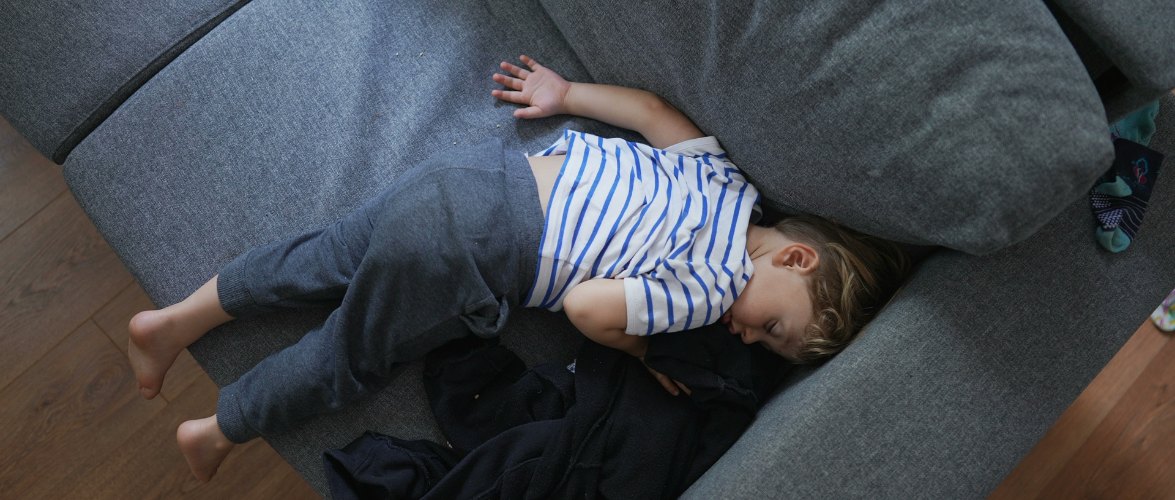
It’s 5 pm. Supper isn’t ready, homework isn’t done, and your little one has just burst into tears because their sandwich was cut into squares instead of triangles.
Sound familiar? You’re not alone, and your child isn’t being “naughty”. Moments like these are a normal part of a child’s emotional development. They’re a sign of a growing brain that’s still learning one of life’s biggest skills: emotional regulation.
What Is Emotional Regulation?
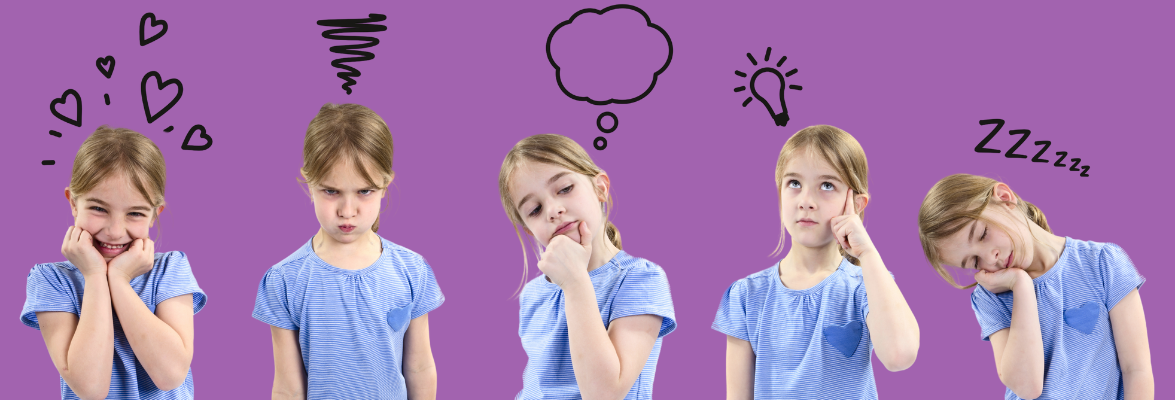
Emotional regulation simply means being able to notice a big feeling, understand it and calm down again.
It doesn’t mean your child never gets cross, sad or worried. Every feeling is allowed. It means learning to ride the wave instead of being swept away by it.
Adults do this all day without thinking. We take a deep breath in traffic. We step outside when the house gets too loud. Kids aren’t born knowing how. The part of the brain that handles big feelings keeps growing well into the teen years, so emotional regulation for children is something they learn bit by bit, with lots of help from you.
When a child is shouting, crying, refusing to cooperate or having a meltdown, it is easy to focus on the behaviour we can see. But sometimes it helps to ask a different question: what is happening underneath the behaviour?
Shannon Mandel, BA Hons Clinical Psychology and neuroscience-informed parent coach behind the Mindsight Method, encourages parents to look at behaviour through the lens of the brain and nervous system.
When children become overwhelmed, tired, anxious, overstimulated or frustrated, their nervous system can shift into a heightened state. In these moments, reasoning, lengthy explanations or trying to “teach a lesson” may be less effective. Regulation and connection need to come first.
This is where co-regulation becomes important. Before children can consistently regulate big emotions on their own, they often need to borrow some of our calm. A steady voice, reassuring presence and feeling of safety can help them move out of overwhelm and towards a state where they are better able to communicate, listen and problem-solve.
As Shannon explains through the Mindsight Method framework, understanding the nervous system can help parents look beyond the behaviour itself and respond to what their child may actually need in that moment.
Why Does It Matter So Much?
When children learn to manage their feelings, it shows up in almost every part of their day. Kids with strong emotional regulation skills tend to:
- Focus better at school – a calmer mind is a ready-to-learn mind
- Make and keep friends – sharing, taking turns and losing a game all get easier
- Bounce back faster – a wobble doesn’t turn into a whole-day meltdown
- Settle better at bedtime – fewer worries buzzing around at lights-out
- Feel more confident – “I can handle this” is a powerful thing for a child to believe
In other words, it’s just as important as learning to read or count.
How Can I Help My Child Manage Big Emotions?
The good news? You don’t need a parenting degree. Helping children manage emotions comes down to small, everyday moments. Try these:
- Name it to tame it. “You look frustrated because your tower keeps falling.” Putting a name to a feeling helps it shrink.
- Regulate yourself first. Children often look to the adults around them for cues about safety. Take a breath, soften your voice and slow the moment down. Your calm can help your child begin to find theirs.
- Feelings are okay – some actions aren’t. “It’s okay to feel angry. It’s not okay to hit.”
- Give them calming tools. Belly breathing, counting to ten, a cuddly toy to squeeze or a cosy “calm corner”.
- Keep routines steady. Regular meals and a set bedtime help little ones feel safe.
- Chat afterwards. Once the storm has passed, talk about what happened and what might help next time.
- Look after the basics. Sleep, good food, water and time outside all help kids cope.
Be Kind to Yourself, Too
Nobody gets this right every day; not your child, and not you. What matters most is the steady message that big feelings can be managed, and that they don’t have to do it alone.
If your child’s emotions often feel overwhelming, or start to affect school, sleep or friendships, have a chat with your GP, paediatrician or a child psychologist.
A Little Extra Support for Calmer Days
Alongside cuddles, routines and plenty of patience, many parents like a little extra everyday support. That’s where our Safari Squad Chill-Out Gummies come in.
They’re made with plant-powered ingredients: valerian, chamomile, magnesium and lemon balm, to help your little one unwind after busy, overstimulating days and settle into peaceful sleep. All-natural, no-nonsense, and a yummy red berry flavour kids actually look forward to. Suitable for ages 2 to 12.
Explore Chill-Out Gummies →
FAQ from Parents
At what age do children learn emotional regulation? It starts in the toddler years and keeps developing right through the teens. Expect lots of practice (and a few setbacks) along the way.
Are meltdowns normal? Yes – especially when little ones are tired, hungry or overstimulated. They usually become less frequent as children learn new calming tools.
How do I give my child Chill-Out Gummies? One chewable gummy before bedtime is the usual dose. Always check the label for guidance during extra-stressful times.
This article is for general information only and is not a substitute for medical advice. Always read the label and speak to a healthcare professional if you have concerns about your child’s health.






 Skip to content