
Executive Summary
Learn ten lesser known daily wellness habits parents can teach children ages 2 to 12, moving beyond commonly known advice like basic hydration or hygiene to cover habits with stronger everyday impact. Key topics include: modelling wellness behaviour as a parent, supporting gut health through varied food choices, building movement into the day through short “movement snacks,” and teaching sun safety alongside vitamin D exposure. The article also addresses emotional and physical development through sensory regulation techniques (such as belly breathing), body autonomy and consent, independence through small daily responsibilities, posture in a screen-heavy environment, and the value of shared family meals. It closes with guidance on healthy daily routines and a note on how nutritional supplements, such as the Safari Squad range, can complement but not replace these foundational habits. A five-question FAQ addresses common parent concerns, including starting age, gut health, sun exposure safety, and emotional regulation.
We all want our children to grow into healthy, confident, and happy adults. While genetics certainly play a role in overall health, many of our most important lifelong habits are learned right at home. The small choices we make on our children’s behalf and the daily habits we teach them can have a lasting impact on their physical health, emotional wellbeing, and resilience.
Teaching healthy habits does not have to be complicated. In fact, simple daily routines are often the most effective. By building a consistent wellness routine, you can help your children develop healthy behaviours that quickly become second nature.
Here are ten daily wellness habits every child should learn including a few that go beyond the basics most parents already know.
Children learn far more from what they see than what they’re told. If you want your child to reach for water instead of juice, or to put a phone down at the table, the most effective teaching tool is doing it yourself, consistently, in front of them.
Simple ways to model wellness:
Children absorb the tone of a household long before they absorb its rules. When healthy habits are simply “what we do” rather than “what you must do,” they tend to stick.
Executive Summary
Learn ten lesser known daily wellness habits parents can teach children ages 2 to 12, moving beyond commonly known advice like basic hydration or hygiene to cover habits with stronger everyday impact. Key topics include: modelling wellness behaviour as a parent, supporting gut health through varied food choices, building movement into the day through short “movement snacks,” and teaching sun safety alongside vitamin D exposure. The article also addresses emotional and physical development through sensory regulation techniques (such as belly breathing), body autonomy and consent, independence through small daily responsibilities, posture in a screen-heavy environment, and the value of shared family meals. It closes with guidance on healthy daily routines and a note on how nutritional supplements, such as the Safari Squad range, can complement but not replace these foundational habits. A five-question FAQ addresses common parent concerns, including starting age, gut health, sun exposure safety, and emotional regulation.
We all want our children to grow into healthy, confident, and happy adults. While genetics certainly play a role in overall health, many of our most important lifelong habits are learned right at home. The small choices we make on our children’s behalf and the daily habits we teach them can have a lasting impact on their physical health, emotional wellbeing, and resilience.
Teaching healthy habits does not have to be complicated. In fact, simple daily routines are often the most effective. By building a consistent wellness routine, you can help your children develop healthy behaviours that quickly become second nature.
Here are ten daily wellness habits every child should learn including a few that go beyond the basics most parents already know.
Children learn far more from what they see than what they’re told. If you want your child to reach for water instead of juice, or to put a phone down at the table, the most effective teaching tool is doing it yourself, consistently, in front of them.
Simple ways to model wellness:
Children absorb the tone of a household long before they absorb its rules. When healthy habits are simply “what we do” rather than “what you must do,” they tend to stick.

Beyond “eating the rainbow,” the diversity of foods a child eats has a direct line to gut health . A growing body of research links a healthy gut microbiome to stronger immunity, steadier mood, and better digestion. You can read more about this in our article about gut-health and combatting illness. Rather than chasing a perfect diet, aim for variety.
Simple ways to build gut-friendly variety include:
A varied plate does more than fill a child up; it feeds the trillions of bacteria that support their health from the inside out.
Children do not need to get all their movement in one long block. “Movement snacks” or short bursts of activity spread through the day are especially useful on school days or screen-heavy afternoons, when a single hour of activity can be hard to fit in.
Easy ways to add movement snacks:
Little bursts of movement add up, and they’re often easier to sustain than one big scheduled activity.

Sunlight, balanced with sensible protection, plays a real role in a child’s health. It supports the body’s vitamin D production, which research shows is essential for bone growth and immune function.
A simple daily approach includes:
A little daily sun, handled sensibly with sunscreen use, is a habit worth teaching.
Children feel big emotions before they have the words, or the self-control, to manage them. Giving kids simple, physical tools to calm their bodies helps them regulate themselves, rather than relying solely on an adult to calm them down.
A few tools worth teaching:
These small tools give children something concrete to do with big feelings, which builds self-regulation over time.

Teaching children that their body belongs to them is a foundational wellness habit and it builds the confidence to set boundaries and the awareness to respect other people’s.
Age-appropriate ways to build this habit include:
These conversations, introduced gradually and age-appropriately, help children grow into confident, self-aware adults.
Confidence grows from competence. Giving children small, real responsibilities, even ones that take longer or get done imperfectly, teaches them that they’re capable, which is a wellness habit in its own right.
Age-appropriate responsibilities might include:
These small routines build self-efficacy and the sense that their actions matter and that they can handle things themselves.
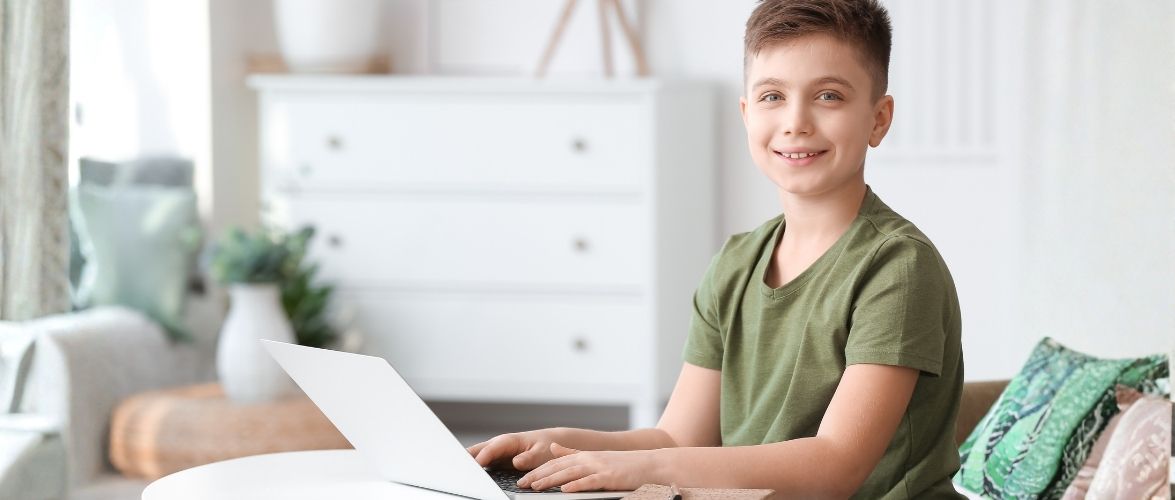
Screens are a normal part of childhood now, and limiting time isn’t the only consideration, how our kids sit while using them matters too. “Tech neck” and slouched posture are increasingly common even in young children.
Simple posture habits to teach:
Small adjustments now can prevent the aches and habits that are much harder to unlearn later.
What’s on the plate matters, but so does what happens around the table. Regular shared family meals, even a handful a week, are linked to stronger family connection and give children a steady, predictable point of connection in their day.
Ways to make meals feel like a ritual:
The ritual of eating together, more than the food itself, is what makes family meals a wellness habit.

Consistency is the secret to creating lasting habits. Children thrive when they have predictable daily routines.
A simple children’s wellness routine includes:
Even with a balanced diet and steady routines, you may still be seeking extra ways to support your child’s daily health.
The Safari Squad range was developed with families in mind, featuring carefully selected ingredients in child friendly gummies that fit naturally into a healthy daily routine. The range is vegetarian friendly and free from gelatine, gluten, nuts, eggs, milk, soy, preservatives, artificial colours, artificial flavours, and artificial sweeteners.
Remember, supplements should support healthy habits, not replace them. A nutritious diet, regular exercise, quality sleep, and positive daily routines remain the true foundation of lifelong wellness.
Most of these habits can be introduced as early as age two in a simple, age-appropriate form — for example, naming body parts correctly or choosing water over juice. You can build on the same habits as your child grows, gradually adding more independence and detail through to age twelve.
Focus on variety over perfection. Rotate the fruits, vegetables, grains, and proteins you offer, and introduce one fermented food, such as plain yogurt, in small amounts. Repeated, low-pressure exposure to new foods works better than insisting a child finish or try something on the spot.
A short amount of morning or late-afternoon sun, without sunscreen, is generally considered safe for most children and supports natural vitamin D production. Sunscreen and shade are still important for longer periods outdoors or during peak midday sun. If you have concerns about your child’s sun exposure or vitamin D levels, check with your healthcare provider.
Start with one simple tool, such as belly breathing, and practice it together when your child is already calm, not mid-meltdown. Once it’s familiar, gently prompt them to use it during smaller moments of frustration before working up to bigger ones.
Keep it woven into everyday moments rather than treating it as one big talk. Simple, ongoing habits — using correct body part names, asking before helping with dressing, letting them choose whether to hug goodbye — teach the concept naturally over time.
No. Supplements, such as the Safari Squad range, are designed to complement a healthy diet and routine, not replace it. A balanced diet, movement, sleep, and emotional support remain the foundation of a child’s wellness.
Disclaimer: These statements have not been evaluated by the South African Health Products Regulatory Authority (SAHPRA). This product is not intended to diagnose, treat, cure, or prevent any disease. Always consult a healthcare professional before starting any new supplement regimen for your child.
