


Helping children manage big emotions can feel overwhelming. One minute everything is calm, the next a meltdown erupts because a sandwich was cut into squares instead of triangles.
Parents often search for emotional regulation activities for kids when these moments become frequent. While tantrums often begin in toddlerhood, emotional regulation continues developing throughout childhood, from ages 2 to 12 and beyond.
The good news is that emotional regulation is not something children simply “grow out of.” It is a skill that develops through connection, play, and the right support.
In this guide we explore practical emotional regulation activities for kids aged 2–12, explain the Brain Battery framework, and look at how play and nutritional foundations can support calmer, more resilient children.
Why Play is the Primary Language of Connection
As Shannon Mandel highlights in Vie&Sante’s latest podcast (Episode 10: Teaching Kids Emotional Regulation Through Play), play isn’t just a fun activity. It is essential for a child’s healthy development. From an evolutionary perspective, children use play to test boundaries, simulate challenges, and literally build the “hardware” of their brains.
The Neurological Connection Play directly engages two key areas of the brain:
- The Prefrontal Cortex: The home of logic, focus, and impulse control.
- The Limbic System: The “emotional center” that processes fear, joy, and frustration.
When children play, they are essentially “exercising” the bridge between these two areas. They learn how to transition from high-energy states (the wild fun) back to calm, focused states.
The type of play that builds regulation evolves as children grow. Toddlers may practice regulation through simple stop-and-start games, while older children develop these skills through problem-solving, cooperative games, and challenges that require patience and focus.
The core principle remains the same: play allows children to practise emotional control in a safe environment.
Understanding the “Brain Battery” Framework
To help children understand their internal state, we use the Brain Battery metaphor. This visualization allows a child to “check in” with their energy and capacity without needing a complex vocabulary.
- The Green Battery (Optimal): The child is calm, curious, and socially engaged. Their logical brain is fully “online,” making this the ideal state for learning.
- The Yellow Battery (Warning Zone): You might see rising frustration, restlessness, or a “foggy” mind. This is often where the “Fog of Forgetfulness” sets in; the child knows what they are supposed to do, but their brain is too taxed to do it. This is the critical window to step in before a meltdown occurs.
- The Red Battery (The Meltdown): When the battery hits red, big emotions have taken the driver’s seat. The logical part of the brain is taking a backseat, and the child is feeling completely overwhelmed. Teaching is impossible here; the only goal is to provide safety and “co-regulation” to help the battery slowly move back toward yellow.
Emotional Regulation Activities for Kids (Ages 2–12)
Here are a few ways to strengthen a child’s emotional hardware through play:
Ages 2–4: Building Early Self-Control
Young children regulate through movement and imitation. Activities that help include:
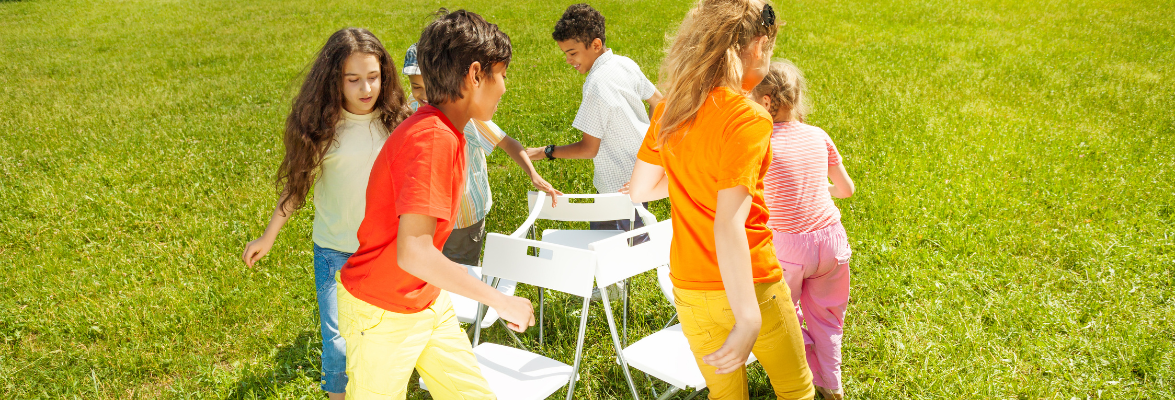
- Impulse Control (The “Freeze” Method): Games like “Musical Statues” or “Run and Freeze” are secret weapons for impulse control. They require a child to stop a physical action instantly, which strengthens the neural pathways they need to “stop” themselves during an emotional outburst later.
- Role-Play and Puppetry: Kids often find it hard to talk about their own failures. Using a “frustrated puppet” allows them to solve problems from a distance. Helping a puppet take deep breaths helps the child internalize those same strategies without feeling pressured.
- Deep Pressure Play – Bear hugs, rolling games, or sensory play help reset the nervous system.
Ages 5–8: Practising Frustration and Recovery
As children enter school, emotional regulation begins to involve problem solving. Helpful activities include:
- Building Resilience: Try a “Scaffolded” Puzzle. Support your child through a difficult task without doing it for them. This teaches them that the “Yellow Battery” feeling is just a signal to try a new strategy, not a reason to quit.
- Child-Led Outdoor Play: Nature provides a natural sensory balance. Walking barefoot on grass or exploring outside restores a sense of autonomy, which is often the quickest way to recharge a battery drained by a long school day.
- Role-Play Scenarios – Practise handling frustration or disappointment.
- Movement Breaks – Jumping, climbing, and outdoor play help reset emotional overload.
Ages 9–12: Strengthening Self-Regulation Skills
Older children can begin recognising and managing their own internal states. Activities that support this stage include:
- Strategy Games – Board games that require patience and turn-taking.
- Reflection Play – Asking children to describe how their “Brain Battery” feels.
- Creative Play – Drawing, building, or storytelling to process emotions.
Supporting the “Hardware”: The Role of Nutrition
While play provides the “software” for regulation, the brain’s physical “hardware” needs support too. Nutritional gaps or high stress levels can make it nearly impossible for a child to stay in the “Green Battery” zone.
Vie&Sante’s ‘Brain Batteries’ was developed to stabilize these foundations using powerful, natural ingredients:
- The Ashwagandha Anchor: An adaptogen that helps the body manage stress, helping the body maintain a sense of calm even during busy or stressful moments and thus preventing the nervous system from spiking into the Red Zone too quickly.
- The Saffron Spark: Supports mental clarity and a balanced mood.
- The B12 Boost: Essential for cellular energy. A tired brain cannot regulate itself; B12 ensures the battery has the raw energy required for emotional management.
For additional support, we recommend:
- The Body Booster Gummies: Physical and emotional health are linked. A child who is feeling physically run-down often has less energy to manage their emotions. Body Booster Gummies support overall physical resilience with a delicious citrus-flavoured gummy packed with over 15 essential ingredients, including Omega-3, Zinc, Folic Acid, B-Vitamins, Vitamin K1 & K2, B-carotene, and Choline.
From Co-Regulation to Self-Regulation
Emotional regulation is a skill that is “caught,” not just “taught.” Children learn to regulate by borrowing the calm of the adults around them. When you sit on the floor, play the “Freeze” game, or help navigate the “Fog of Forgetfulness,” you are providing the steady signal their nervous system needs to find its way back to Green.
Actionable Steps for Today:
- Use the Vocabulary: Start asking, “How is your Brain Battery feeling?”
- Prioritise Sensory Play: Aim for 15–20 minutes of daily child-led play to decompress.
- Optimise the Foundation: Consider targeted supplements to support the nervous system from the inside out.

Helping Kids Build Emotional Strength
Emotional regulation is not about eliminating big feelings. It is about helping children understand them, move through them, and return to a place of calm.
By introducing simple emotional regulation activities for kids, using the Brain Battery framework to help children recognise their internal state, and supporting their developing brains with healthy routines and nutritional support for emotional health, parents can give their children the tools they need to navigate frustration, disappointment, and stress with greater confidence.
These small daily moments of connection, whether through play, conversation, or shared routines, are what gradually transform toddler tantrum solutions into lifelong emotional skills.
If you would like additional support on your child’s emotional development journey, explore the Vie&Sante range of supplements designed to support growing bodies and busy young minds aged 2–12.
Because when children have the right tools, support, and nourishment, learning to regulate their emotions becomes a skill they carry with them for life.
Frequently Asked Questions About Emotional Regulation Activities for Kids
How do I handle a child in the “Red Battery” state?
When a child is in “Red,” logic is gone. Don’t try to reason or teach a lesson at this moment. Focus entirely on being a calm, safe presence until their system settles down.
How does a game like “Freeze” actually improve behavior?
It trains the brain to switch from “go” to “stop” on command. This physical practice builds the “muscle” they need to pause before reacting when they’re angry or frustrated in real life.
What is the “Fog of Forgetfulness”?
This happens in the Yellow Zone when a child’s brain is too overtaxed to remember rules or instructions they usually know. It’s a sign they need a “recharge” activity, like outdoor play, before a meltdown happens.
Disclaimer
These statements have not been evaluated by the South African Health Products Regulatory Authority (SAHPRA). This product is not intended to diagnose, treat, cure, or prevent any disease. Always consult a healthcare professional before starting any new supplement regimen for your child.
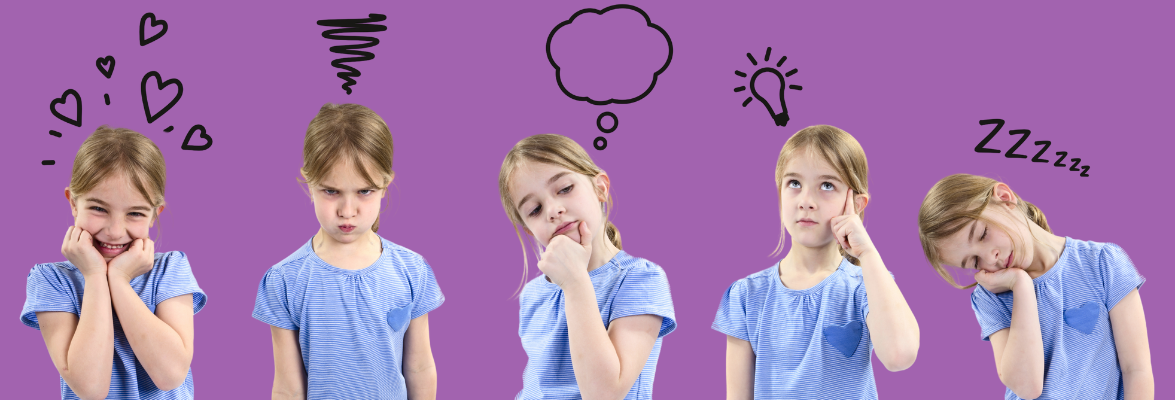
How to Help Your Child Cope with Big Feelings
If you’ve ever witnessed your child explode in anger, melt down in sadness, or completely shut down when overwhelmed, you’re…

The 3 R’s of Regulation
Grounded With Shannon: The 3 R’s of Regulation A Parent’s Guide to Managing Anxiety and Raising Emotionally Resilient Kids By…
Back-to-School Wellness: A Guide for Parents
Navigating Back-to-School Wellness: A Guide for Parents Ensuring your child’s wellness is a top priority. The back-to-school season is upon…
Nutritious and Exciting Recipes for Your Little Ones
Fueling Growing Bodies Nutritious and Exciting Recipes for Your Little Ones 🌿 As the pioneers in crafting holistic wellness through…

A Balanced Diet Can Improve Your Child’s Emotional Well-Being
Getting kids to eat a balanced diet can be a challenge, but these fun and tasty recipe ideas can make…

Treats for Kids: Fun & Healthy
A Spoonful of the Right Sugar Fun & Healthy Treats for Kids At Vie&Sante, we’re dedicated to minimizing sugar in…

What Is Saffron and Is It Safe for Children?
Discover the benefits and safety of saffron for children's cognitive wellbeing, focus, and mood support, featuring Vie&Sante Safari Squad gummies.

How Stress Affects Memory, Focus and Learning in Children
Discover how stress impacts children's brain development, memory, and focus. Learn practical learning and focus support strategies to help your…

What Vitamins Should Kids Take Every Day?
Learn which daily vitamins for children are important for healthy growth, immunity, brain development, and overall wellbeing. Expert advice for…