
Raising Self-Belief in a World That Knocks It Down: A Neuroscience-Informed Guide for Parents
Confidence isn’t just about how our kids look — it’s about who they believe they are.

Anxiety is an inevitable part of life, but for parents, it often takes on a new dimension. Whether it’s the stress of a toddler’s tantrum, the worry over a child’s school struggles, or the emotional weight of trying to raise a well-adjusted, resilient human, parenting can feel overwhelming. This is where the power of regulation, specifically, co-regulation, comes in.
If you’ve ever noticed how your child seems to absorb your stress like a sponge, you’ve seen firsthand how nervous system regulation works. When a parent is dysregulated, a child picks up on that energy. Conversely, when a parent is calm, centred, and emotionally available, the child feels safe enough to regulate their own emotions. But how do we achieve this?
This is where the 3 R’s of Regulation come into play. This simple yet powerful model supports parents in managing their own anxiety, creating a sense of safety, and fostering emotional resilience in their children. By understanding the neuroscience behind regulation and why co-regulation is essential, parents can shift from reactive patterns to intentional, connected parenting.
Each “R” corresponds to a specific phase of regulation and is influenced by different parts of the brain.

The Neuroscience of Regulation: What Happens in the Brain?
Before diving into the 3 R’s, it’s important to understand how the brain processes stress. When we feel threatened—whether by an actual danger or just a stressful situation—the amygdala, the brain’s alarm system, is activated. This sends a signal to the sympathetic nervous system, triggering a fight-or-flight response. If the stress continues for too long or feels overwhelming, the brain shifts into a shutdown mode controlled by the dorsal vagal system, which can cause numbness or dissociation.
But when we feel safe, the prefrontal cortex—the part of the brain responsible for rational thinking and decision-making—stays engaged. Our limbic system, which processes emotions, remains balanced, allowing us to connect with others, think clearly, and respond rather than react. This is why regulation is so important—it helps create a sense of safety in the brain, allowing both parents and children to manage emotions more effectively.
The 3 R’s of Regulation: A Practical Guide for Parents
The 3 R’s of Regulation offer a clear, actionable framework to help parents manage their own nervous system states while also supporting their child’s emotional well-being. These three steps—Recognize, Regulate, and Reconnect—form the foundation of co-regulation.
The first step to effective regulation is awareness. Before we can shift into a regulated state, we need to recognize when we’re dysregulated.
Signs of Dysregulation:
– Feeling overwhelmed, irritated, or shut down
– Reacting with impatience or snapping at your child
– A racing heart, shallow breathing, or muscle tension
– A sense of helplessness or frustration
Awareness of these cues is crucial. Without it, we operate on autopilot, reacting to stress rather than responding with intention.
Try a self-check-in throughout the day. Ask yourself: What is my emotional state right now? Am I in a fight, flight, freeze, or a regulated place? Simply recognizing where you are gives you the power to shift.
Once we recognize we’re dysregulated, the next step is actively bringing ourselves back to a state of calm. Regulation isn’t about suppressing emotions but rather moving through them in a way that restores balance.
– Effective Regulation Techniques:
– Breathwork: Slowing the breath (especially lengthening the exhale) signals to the brain that you’re safe.
– Grounding Exercises: Engaging your senses- touching something soft, drinking a warm cup of tea, or noticing the feeling of your feet on the ground- helps anchor you in the present.
– Movement: Gentle movement like stretching, shaking out tension, or walking can help discharge stress.
– Self-Compassion: Speaking kindly to yourself shifts you out of self-judgment and into a more regulated state.
The next time you feel overwhelmed, pause and take five deep belly breaths, making your exhale longer than your inhale. Notice how your body responds.
Once you have regulated yourself, you are now in a position to help your child regulate. This is where co-regulation comes in—using your calm nervous system to support your child in managing their emotions. Children do not self-regulate in isolation; they learn through connection with a calm, present caregiver.


How to Co-Regulate with Your Child:
– Meet them where they are. If they’re dysregulated, offer presence rather than logic—words won’t help a child in distress, but a calm tone and warm body language will.
– Model Regulation. Let your child see you breathe deeply, shake off frustration, or use grounding exercises.
– Use Gentle Touch. A soothing hand on the back or a warm hug (if they’re receptive) can work wonders in bringing a child back to a sense of safety.
– Validate Their Experience. Instead of dismissing their emotions, acknowledge them: “I see you’re feeling really upset right now. I’m here.”
The next time your child is having a meltdown, focus on regulating yourself first before addressing their emotions. Then, offer a connection instead of correction.
Why This Matters: The Long-Term Impact of Regulation
When parents consistently practice the 3 R’s of Regulation, the impact is profound. Not only does it reduce daily stress and anxiety, but it also lays the foundation for deep emotional resilience in children. Over time, children internalise these regulation strategies, building the ability to manage their stress more effectively as they grow.
Parents who regulate effectively:
– Experience fewer power struggles
– Feel more confident in handling challenging parenting moments
– Build deeper, more trusting relationships with their children
Children who experience co-regulation:
– Develop a greater sense of emotional security
– Learn healthy coping mechanisms for stress and anxiety
– Build strong, connected relationships with others.
The 3 R’s of Regulation are just the beginning. If this resonates with you, I invite you to dive deeper into practical strategies for emotional resilience and connected parenting.

Confidence isn’t just about how our kids look — it’s about who they believe they are.

In this blog, we explore why problem-solving matters more than ever, how it supports cognitive development and emotional intelligence, and what you can do to nurture it from an early age.

We’ll explore brain-friendly habits and natural ways to support cognitive health, mood, and memory during exam season.
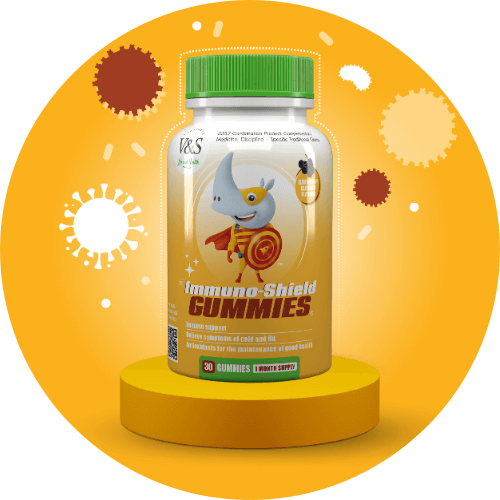
These Immuno-Shield Gummies are a mom’s dream! I’ve finally found a natural supplement my kids love, and it helps support their immunity. I’ve noticed they catch fewer colds!
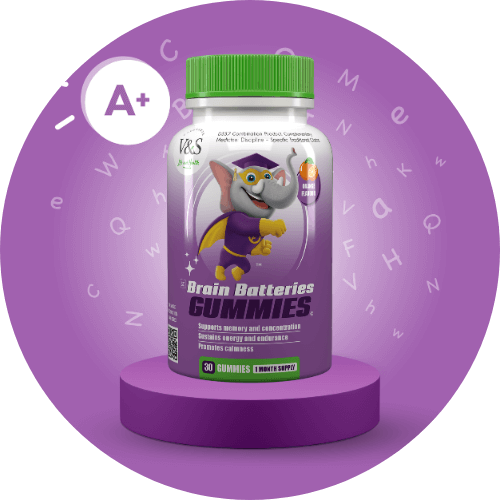
Brain Batteries Gummies are my secret weapon for helping my kids focus during their exams. I’ve seen a real improvement in their concentration and they love the taste!

I was sceptical, but the Chill-out Gummies have truly helped my son wind down after a hectic day. It’s wonderful to see him so relaxed and getting a good night’s sleep.
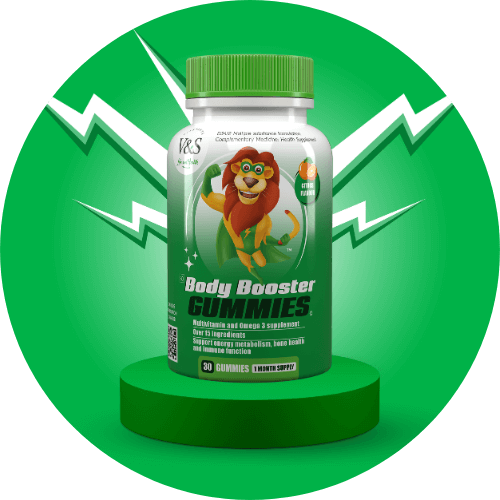
Wow, the Body Booster Gummies are an absolute win in our home! My kids adore the flavour and I adore the vitamins and minerals they’re getting. This is a definite re-purchase!
2024 Vie&Sante. All Rights Reserved. Website managed by Engage24.
These statements have not been evaluated by the South African Health Products Regulatory Authority (SAHPRA). This product is not intended to diagnose, treat, cure or prevent any disease.